

Projects
Parco delle Dune
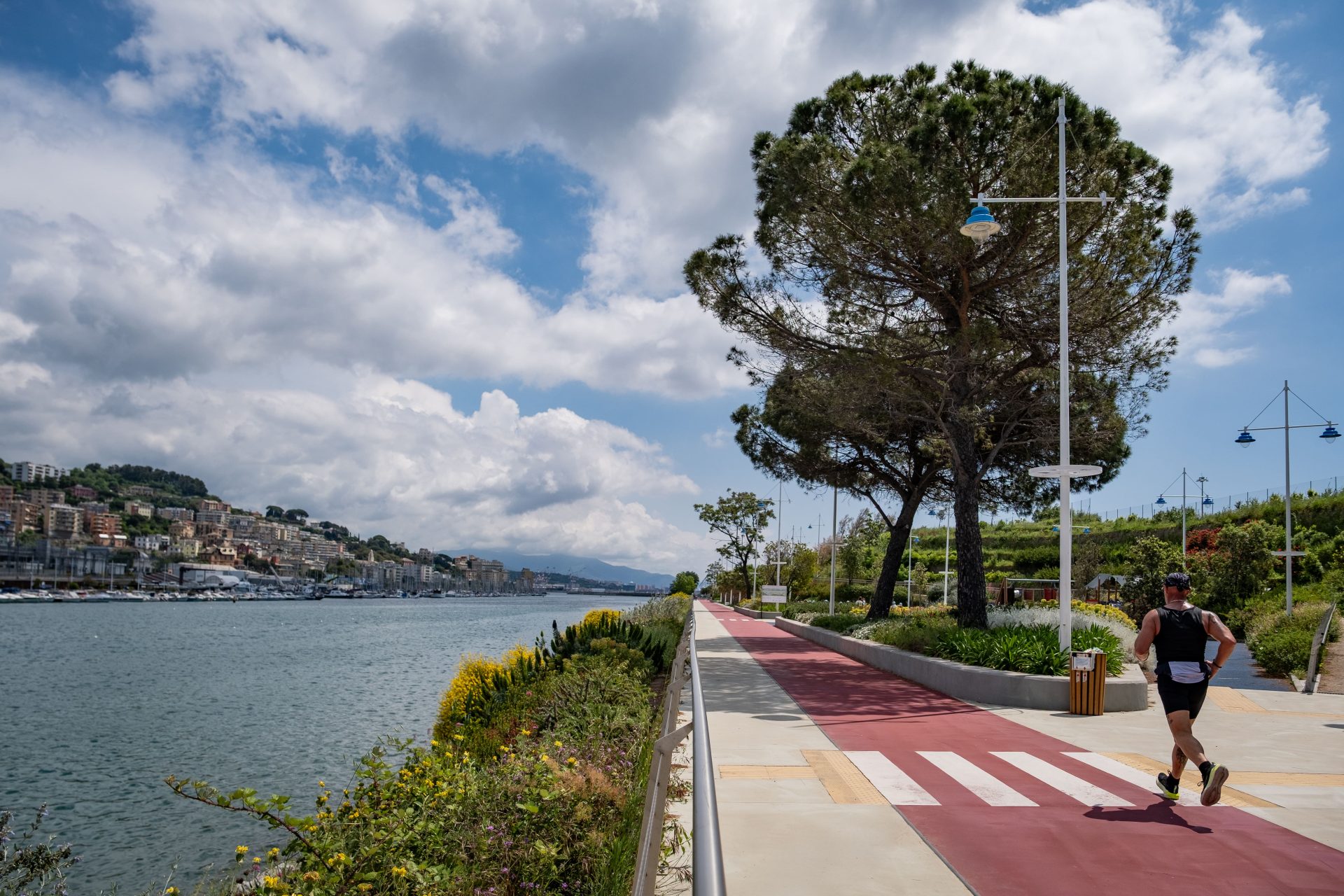
Parco delle Dune is a landscape redevelopment project that gives back to Genoa’s citizens a stretch of coastline profoundly transformed into a green infrastructure and a new public space for the neighbourhood. Located along the calm basin of Pra’, the park has successfully turned a critical area into an experimental intervention in regeneration, accessibility and urban resilience, creating an inclusive gathering place with a strong landscape identity, rooted in the environmental features and the sporting and social values of the area.
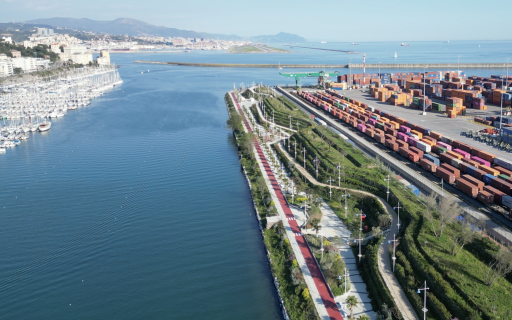
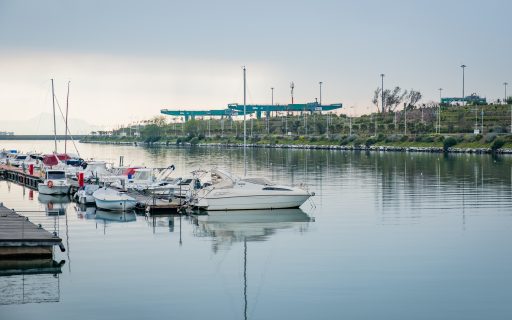
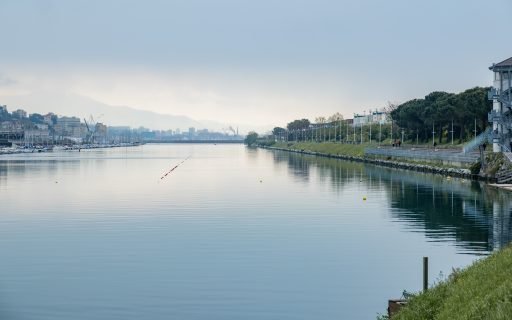
Before the construction of the port, Pra’ was a renowned and popular tourist destination. The coastal strip, historically characterised by an urban beach, was transformed in the 1980s into one of the country’s main container terminals, which alone handles the majority of traffic for the entire Port of Genoa. The construction of the port and its infrastructure has radically changed the landscape, depriving the district of the quality and accessibility of its seaside, limited to a calm channel and a buffer zone separating the port from the city. The reshaping of the coastline did not only affect the container terminal but the entire coast, widened to allow the enhancement of rail and road transport infrastructure. The result is a hybrid landscape of out-of-scale elements that has severely compromised the quality of the neighbourhood’s public space and became one of the most critical areas of the city of Genoa from an environmental point of view.
The Dune Park project stems from the intention to rethink the interface role of the port side of the canal and has transformed the request for environmental and noise mitigation of port activities and the redevelopment of the buffer zone into an experimental landscape project to give citizens a place to rebuild a relationship with the sea and nature: a new coastal landscape.
AG&P’s intervention interprets the features of the Ligurian landscape, recalling the city’s ancient relationship with its lost urban beach; it significantly enhances and integrates the existing green heritage, regenerates the soil through the removal of impermeable surfaces, and promotes ecological and social connections.
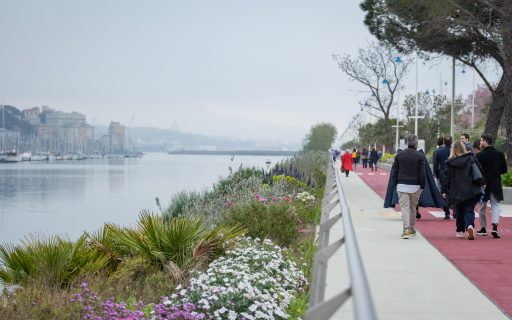
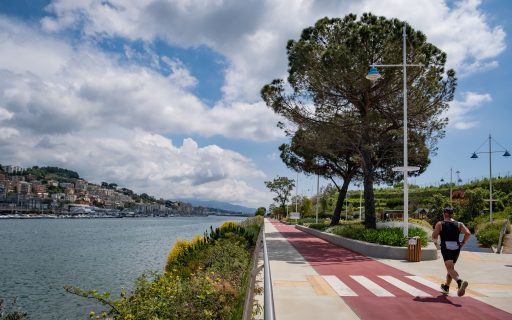
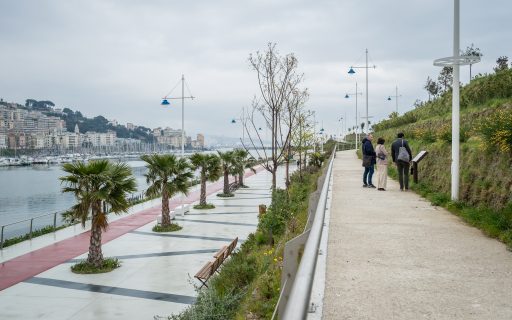
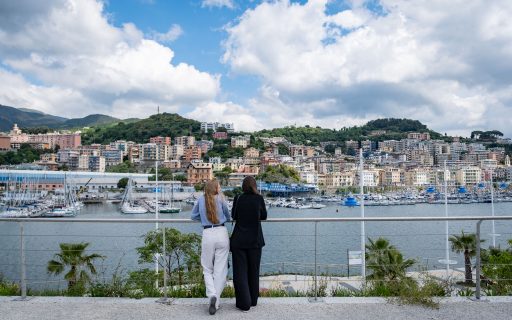
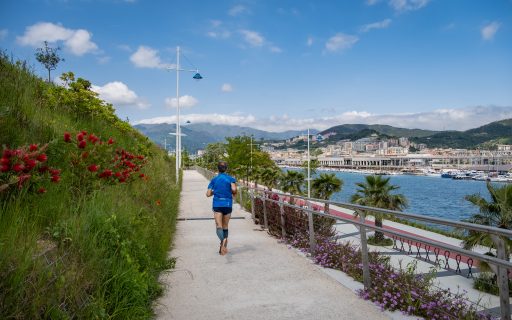
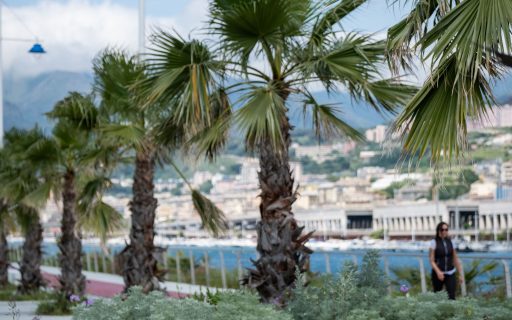
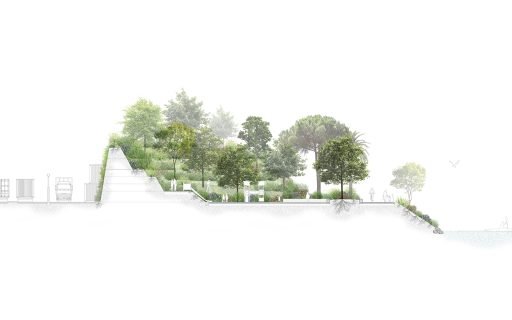
A walk of over 700 metres along the seaside is interspersed with equipped bays shaped by a new topography of green dunes, which separates the park from port activities and offers other routes and viewpoints over the city, as well as a new scene for those in the neighbourhood looking out towards the sea.
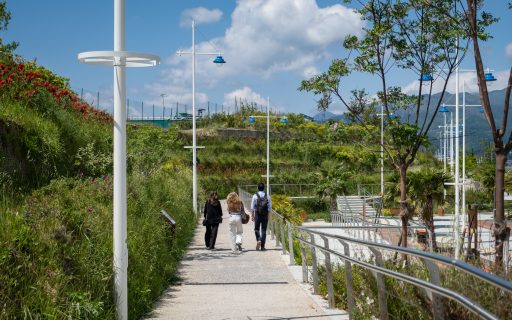
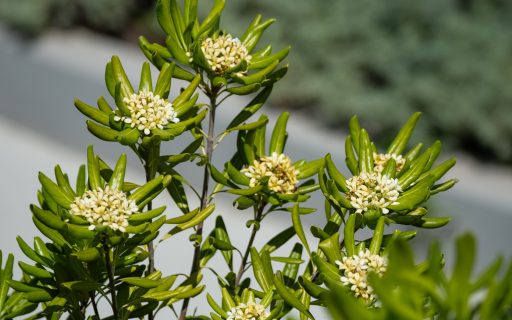
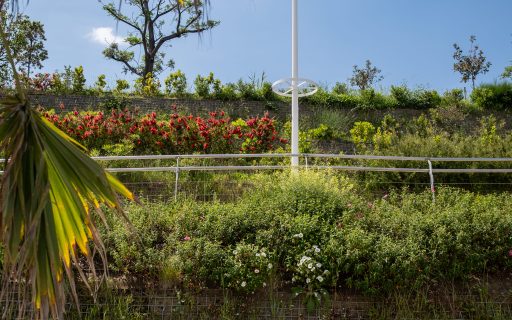
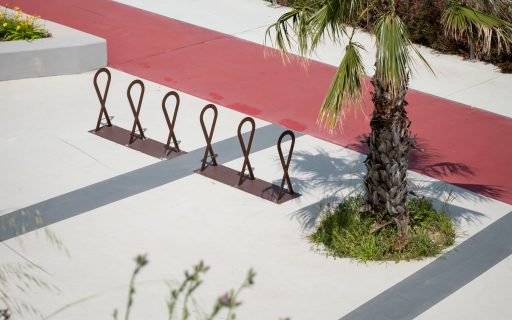
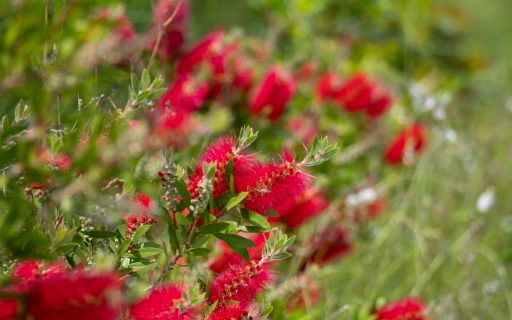
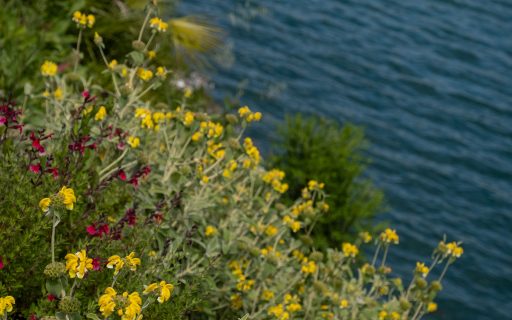
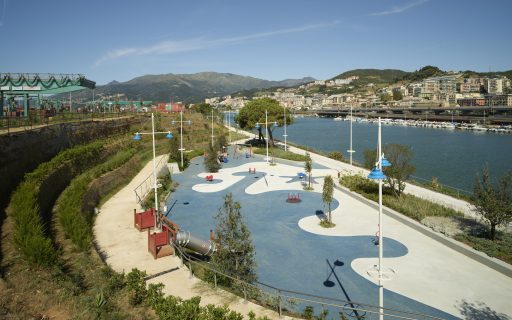
The dune system, constructed with reinforced soil shaped into terraces on reclaimed areas, creates a new topography capable of shielding port activities and developing a landscape of Mediterranean biodiversity, which enhances existing landscape resources and integrates them with a rich natural system. The dunes of the new park host a wide variety of trees and shrubs of the Mediterranean maquis (including strawberry tree, mastic tree, Phillyrea, holm oak, stone pine, carob) and a top windbreak strip, forming a resilient and low-maintenance ecosystem. The strips of vegetation closest to the waterfront paths and the water integrate this rustic greenery with more colourful and fragrant plantings that contribute to biodiversity and provide a more inclusive multisensory experience along the promenade. The park incorporates various nature-based solutions, such as depaving, increasing vegetative cover, and creating new habitats, with the aim of contributing to the reduction of CO₂ emissions, air quality, psychophysical health, and social inclusion.
Interpreted as a link between the city and the sea, the park revitalises a marginal transitional area as a landscape resource for the benefit of citizens. The dunes shape four thematic bays (play, leisure, sport, events), each with its own botanical and functional identity, crossed by accessible paths (slow, fast, botanical) that enhance gentle mobility and the immersive experience of the landscape.
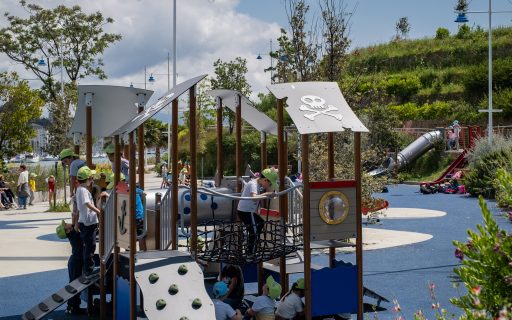
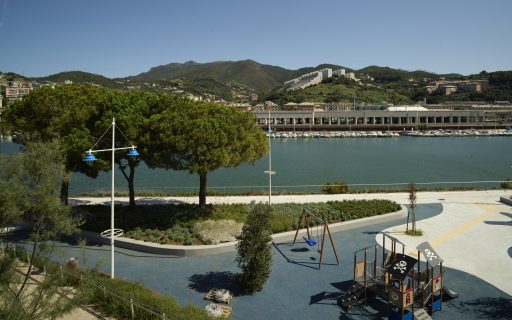
The Bay of Play is a shaded oasis with holm oaks, featuring a blue impact-absorbing surface and colourful equipment inspired by the marine world. There are play structures for various ages and inclusive options. The dune topography has been utilised to enhance the play experience, with careful attention to the sense of discovery.
The Bay of Leisure is a natural retreat that extends the dune vegetation into a flat area of the park, making it more accessible. A grassy area is shaded by a grove of stone pines and is dedicated to playing with dogs, with small agility-dog equipment.
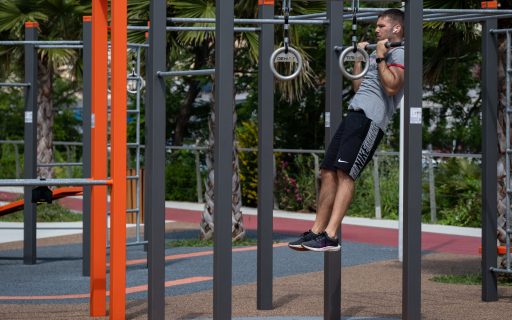
The Bay of Movement is an open-air gym overlooking the sea. It features colourful flooring and equipment for physical activity, accessible and suitable for training both individuals and groups. Two stepped staircases connecting the bay to the dune botanical trail provide additional facilities for exercise, as well as serving as a place to rest and socialise.
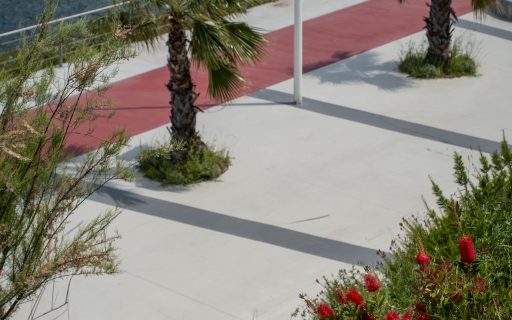
The Bay of Events, featuring extensive mineral paving, hosts a catering kiosk, also useful for storing equipment for cultural and sporting events that can be held in its spacious area. Steps and seating shaded by carob trees form an amphitheatre where visitors can rest to contemplate the landscape or attend a performance.
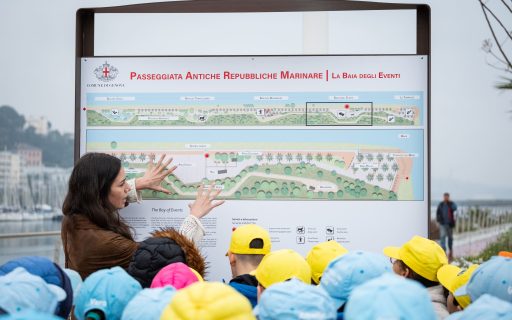
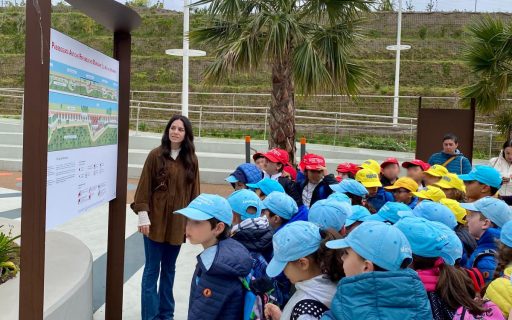
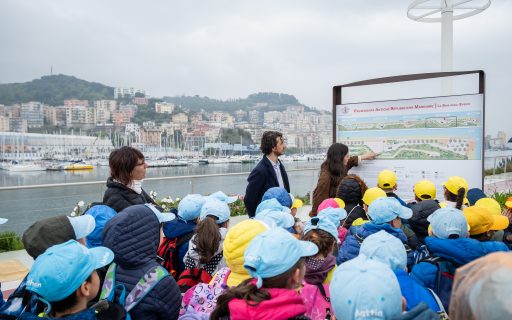
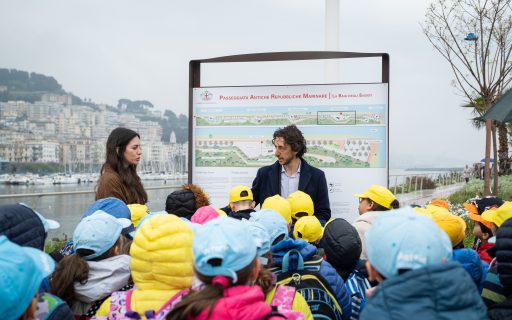
Inclusive equipment and furnishings, along with informative and educational panels, complete the sensory landscape accessible to all, culminating in the terrace open to the sea and in a viewpoint at the top of the eastern dune.
Parco delle Dune has been selected for the Italy Pavilion at the Venice Architecture Biennale 2025, curated by Arch. Guendalina Salimei. This recognition highlights the experimental value of this coastal renaturalisation model, which, in redefining the interface between the city and the port, weaves together nature, culture and well-being in an integrated and dynamic landscape, for a more liveable and resilient city.
Before the construction of the port, Pra’ was a renowned and popular tourist destination. The coastal strip, historically characterised by an urban beach, was transformed in the 1980s into one of the country’s main container terminals, which alone handles the majority of traffic for the entire Port of Genoa. The construction of the port and its infrastructure has radically changed the landscape, depriving the district of the quality and accessibility of its seaside, limited to a calm channel and a buffer zone separating the port from the city. The reshaping of the coastline did not only affect the container terminal but the entire coast, widened to allow the enhancement of rail and road transport infrastructure. The result is a hybrid landscape of out-of-scale elements that has severely compromised the quality of the neighbourhood’s public space and became one of the most critical areas of the city of Genoa from an environmental point of view.
The Dune Park project stems from the intention to rethink the interface role of the port side of the canal and has transformed the request for environmental and noise mitigation of port activities and the redevelopment of the buffer zone into an experimental landscape project to give citizens a place to rebuild a relationship with the sea and nature: a new coastal landscape.
AG&P’s intervention interprets the features of the Ligurian landscape, recalling the city’s ancient relationship with its lost urban beach; it significantly enhances and integrates the existing green heritage, regenerates the soil through the removal of impermeable surfaces, and promotes ecological and social connections.
A walk of over 700 metres along the seaside is interspersed with equipped bays shaped by a new topography of green dunes, which separates the park from port activities and offers other routes and viewpoints over the city, as well as a new scene for those in the neighbourhood looking out towards the sea.
The dune system, constructed with reinforced soil shaped into terraces on reclaimed areas, creates a new topography capable of shielding port activities and developing a landscape of Mediterranean biodiversity, which enhances existing landscape resources and integrates them with a rich natural system. The dunes of the new park host a wide variety of trees and shrubs of the Mediterranean maquis (including strawberry tree, mastic tree, Phillyrea, holm oak, stone pine, carob) and a top windbreak strip, forming a resilient and low-maintenance ecosystem. The strips of vegetation closest to the waterfront paths and the water integrate this rustic greenery with more colourful and fragrant plantings that contribute to biodiversity and provide a more inclusive multisensory experience along the promenade. The park incorporates various nature-based solutions, such as depaving, increasing vegetative cover, and creating new habitats, with the aim of contributing to the reduction of CO₂ emissions, air quality, psychophysical health, and social inclusion.
Interpreted as a link between the city and the sea, the park revitalises a marginal transitional area as a landscape resource for the benefit of citizens. The dunes shape four thematic bays (play, leisure, sport, events), each with its own botanical and functional identity, crossed by accessible paths (slow, fast, botanical) that enhance gentle mobility and the immersive experience of the landscape.


The Bay of Leisure is a natural retreat that extends the dune vegetation into a flat area of the park, making it more accessible. A grassy area is shaded by a grove of stone pines and is dedicated to playing with dogs, with small agility-dog equipment.
The Bay of Movement is an open-air gym overlooking the sea. It features colourful flooring and equipment for physical activity, accessible and suitable for training both individuals and groups. Two stepped staircases connecting the bay to the dune botanical trail provide additional facilities for exercise, as well as serving as a place to rest and socialise.
The Bay of Events, featuring extensive mineral paving, hosts a catering kiosk, also useful for storing equipment for cultural and sporting events that can be held in its spacious area. Steps and seating shaded by carob trees form an amphitheatre where visitors can rest to contemplate the landscape or attend a performance.
Inclusive equipment and furnishings, along with informative and educational panels, complete the sensory landscape accessible to all, culminating in the terrace open to the sea and in a viewpoint at the top of the eastern dune.
Parco delle Dune has been selected for the Italy Pavilion at the Venice Architecture Biennale 2025, curated by Arch. Guendalina Salimei. This recognition highlights the experimental value of this coastal renaturalisation model, which, in redefining the interface between the city and the port, weaves together nature, culture and well-being in an integrated and dynamic landscape, for a more liveable and resilient city.
Project details
| Year | 2021 - 2025 |
| Sup. m² | 40.000 |
| Client | Autorità di Sistema Portuale del Mar Ligure Occidentale |
| Phase | progetto paesaggistico / D.A. |
| Landscape Design | AG&P greenscape - Emanuele Bortolotti e Paolo Palmulli |
| Landscape Team | |
| Photo © | Martina Santimone, Ports of Genoa |
| Render © |
